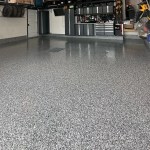
Your Epoxy Floor Is Tougher Than You Think, But It Still Needs Some Love
You spent good money getting your garage floor coated. It looks sharp, it’s holding up, and you wonder why you didn’t do it sooner. But like anything in your home, a little regular care goes a long way toward keeping it looking its best.
The good news? Epoxy and polyaspartic floor coatings are about as low-maintenance as it gets. This isn’t a hardwood floor that needs refinishing every few years or carpet that traps every spill. With some basic habits and the right approach, your coated garage floor will look great for years to come.
Here’s exactly what Canadian homeowners should know about keeping their coated floor in top shape through salty winters, hot summers, and everything in between.
Spring Cleaning After a Canadian Winter
Spring is the most important time to show your garage floor some attention. Canadian winters are brutal, and what comes off your tires and boots isn’t just water. It’s road salt, de-icing chemicals, sand, and grit.
Step 1: Sweep Before You Wet
Always start dry. Sweep or blow out the garage to remove loose debris, grit, and sand. Skipping this step and going straight to mopping just drags abrasive material across your surface.
Step 2: Rinse with a Garden Hose or Pressure Washer
A garden hose works fine for light cleaning. A garden hose is more than enough for most garage floor cleanups. If using a pressure washer, keep it on a low setting with a wide fan tip, keep moving, and avoid spraying directly at edges or damaged areas.
Step 3: Mop with a Mild Cleaner
Mix a small amount of pH-neutral floor cleaner, or a few drops of mild dish soap, or a dedicated concrete floor cleaner with warm water. Mop the floor and let it sit for a few minutes on any stubborn areas. Rinse clean and let it dry fully before parking your car back inside. Avoid acidic cleaners like vinegar as your regular go-to. They won’t necessarily ruin the floor in a single use, but repeated exposure can dull the finish over time.

Day-to-Day Maintenance: Keeping It Simple
Outside of your spring and fall deep cleans, everyday maintenance is minimal. Here’s what actually matters:
Deal with Spills Right Away
Epoxy is highly chemical resistant, but that doesn’t mean you should let motor oil, brake fluid, or antifreeze sit for any longer than it needs to. Wipe spills up quickly with a clean cloth or paper towel. For oily residue, a little dish soap and warm water will handle it fine.
Use a Dust Mop or Leaf Blower
In a working garage, dust and fine debris accumulate fast. A quick pass with a dust mop or leaf blower keeps the floor looking clean without any real effort. This also prevents fine grit from being ground into the surface by foot traffic or your vehicle’s tires.
Put Mats In High-Use Areas
Consider placing a mat in high traffic areas and under where your vehicle drips most. This catches oil and fluids before they hit the coating and protects the surface from dropped tools or heavy impacts. Just make sure the mat isn’t rubber-backed – Certain rubber materials can leave marks or staining over long periods on lighter coatings. over time. Go with a foam or vinyl-backed mat instead.
What to Avoid on a Coated Floor
A few things can cause real damage or premature wear if you’re not aware of them:
- Harsh chemical cleaners – anything with high acid or bleach content can degrade the coating over time. Stick to neutral or mild alkaline cleaners.
- Steel wool or hard scrapers – these scratch the surface. Use a soft brush or non-abrasive scrubber for stuck-on debris.
- Snow blower metal attachments – if you run a gas-powered snow blower with metal chipping teeth through your garage, those can scar the floor. Use a rubber-edged snow shovel instead.
- Long-term standing water – while your coating is water-resistant, Standing water should still be cleaned up, particularly around expansion joints or damaged areas.
- Tires left in one spot all summer – some tires leave yellowish or brownish stains caused by plasticisers migrating from the rubber under heat. Tire stains are more common on lower quality systems and can often be reduced with tire mats or high performance topcoats.

Handling Tough Canadian Conditions
Canada throws some specific curveballs at garage floors that homeowners in warmer climates don’t have to think about.
Road Salt and De-Icers
This is the big one. Calcium chloride and magnesium chloride – common in Canadian cities – are more aggressive than standard sodium chloride. They won’t ruin a coated floor outright, but letting them accumulate season after season without a proper rinse will dull the surface over time. One thorough rinse in late November before the snow season starts, and another good wash in April will make a difference.
Temperature Swings and Hot Tires
Lower quality epoxy systems are generally more prone to hot tire pickup, while polyaspartic and polyurea topcoats typically resist it better.
Humidity and Condensation
Spring and fall in Canada bring big swings in temperature and humidity. You may notice condensation on your garage floor on certain mornings – this is normal and nothing to worry about with a quality coating.
When to Think About a Recoat
A professionally installed coating should last for years with proper care. But a few signs tell you it might be time to call an installer:
- Visible peeling or bubbling in areas of the surface
- Deep scratches that cut through the top coat layer
- Persistent staining that won’t clean off no matter what you try
- A finish that has gone flat and dull despite regular cleaning
In most cases, a partial repair or full recoat from a professional is straightforward and far less costly than replacing the floor entirely.
Frequently Asked Questions
Can I use a pressure washer on my epoxy garage floor?
A garden hose works fine for most cleaning. If you do use a pressure washer, keep it below 1500 PSI with a wide fan nozzle and keep it moving — don’t hold it in one spot.
What’s the best cleaner for epoxy floors in Canada?
A mild dish soap diluted in warm water works great for regular cleaning. For heavy-duty jobs, look for a pH-neutral floor cleaner. Avoid anything with high acid content, bleach-based products, or citrus solvents used repeatedly over time.
How do I get road salt stains off my coated floor?
A warm water rinse followed by mopping with a mild soap solution handles most salt residue. For stubborn salt deposits, use a pH-neutral cleaner designed for coated floors. If using diluted vinegar as a one-time spot treatment, rinse thoroughly and avoid making it part of routine cleaning.
Why do my tires leave marks on the garage floor?
This is called hot tire marking or tire staining, caused by plasticisers in the rubber migrating to the floor surface under heat. It’s more common with standard epoxy coatings than with polyaspartic or polyurea. Solutions include upgrading to a better coating, using tyre coasters, or moving your vehicle regularly so tires don’t sit in one spot for weeks at a time.
How often should I clean my epoxy garage floor?
For most Canadian homeowners, a quick sweep or blow-out weekly, a light mop monthly, and a thorough deep clean twice a year – spring and fall – is all it takes to keep a coated floor in excellent shape.
Can I add a topcoat to refresh the shine on my floor?
Yes. Many professional installers offer a clear topcoat refresh as a standalone service. This is a great option if the surface has gone dull from normal wear but is otherwise in good condition. It’s far less involved than a full recoat and can make an older floor look brand new again.
Find a Coatings Professional Near You
If your garage floor coating needs a professional inspection, a topcoat refresh, or you’re thinking about getting coated for the first time this spring, the Coated Canada installer directory connects you with qualified flooring professionals across the country. Browse by province, read reviews, and get quotes from local experts who know exactly what Canadian floors are up against.